
Staples Refusing MTG Proxies Says More About Magic Than Staples
A Staples proxy-printing refusal says a lot about Magic prices, scarcity, reprints, and why casual players keep turning to proxies.
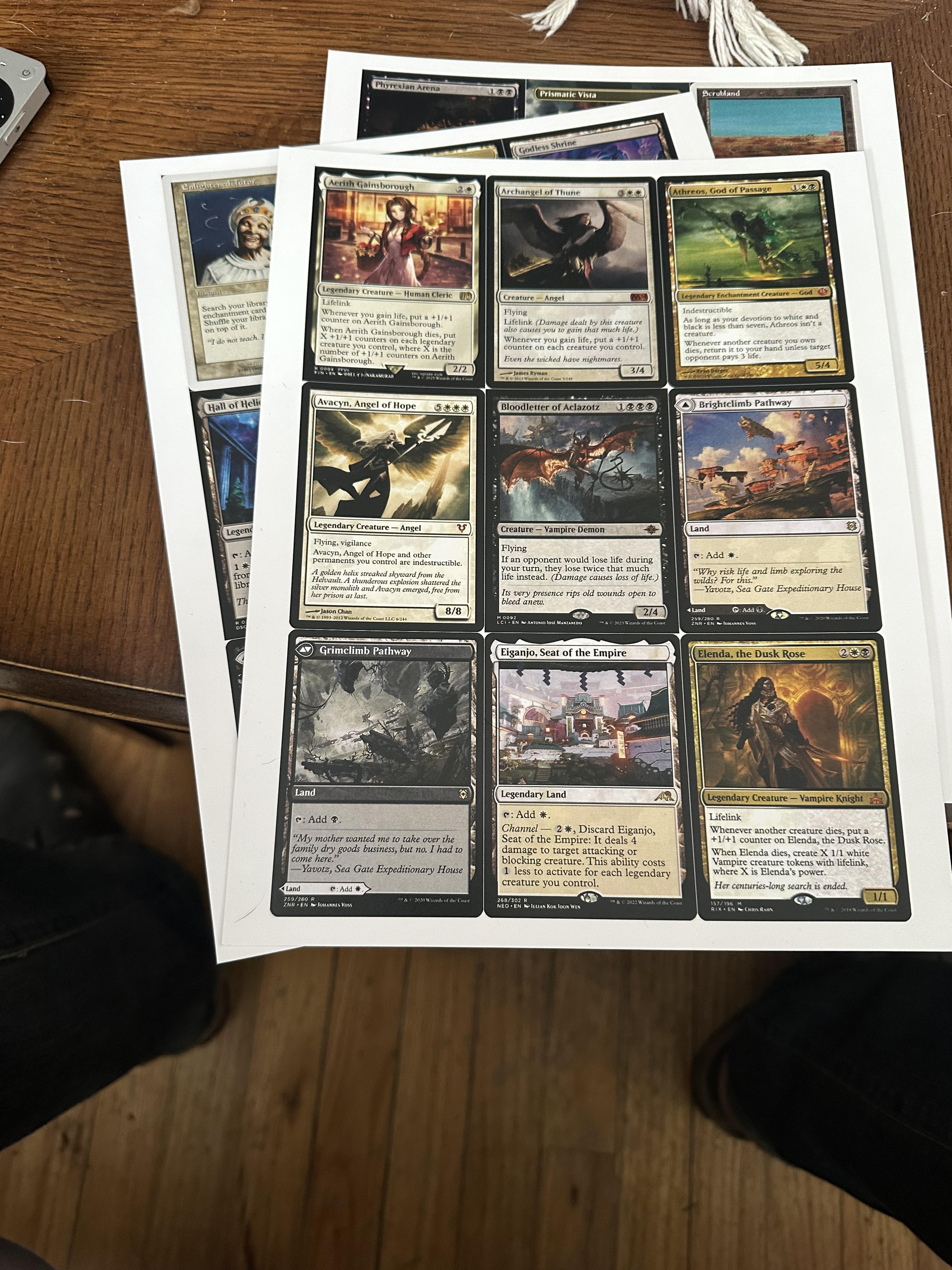
A Magic player tried to print proxies at Staples. They had done it before, usually on thicker cardstock so the cards were easier to sleeve. This time, the store said no because the cards used copyrighted material.
That is annoying, but not shocking. Staples employees are not Magic policy experts, and most corporate print shops would rather refuse a questionable job than argue the difference between a playtest proxy and a counterfeit.
The interesting part is not Staples. The interesting part is why so many Magic players are trying to print proxies in the first place.
The Real Issue Is Card Access
Magic is a great game trapped inside a market that keeps making normal play harder than it needs to be.
Players are not proxying because they hate Magic. Most of them are proxying because they love it enough to keep playing even when the card prices get stupid.
A Commander deck should not feel like a credit check. A mana base should not cost more than someone’s monthly groceries. A casual player should not have to choose between building the deck they actually want and being financially responsible.
That is where proxies become practical. They let people test cards, build decks, match power levels, and enjoy the game without treating every decklist like a financial portfolio.
Proxies Are Not the Same Thing as Counterfeits
This distinction matters.
A proxy used honestly at a casual table is not the same as a fake card sold or traded as real. A blank-backed print in an opaque sleeve is not the same thing as a counterfeit dual land. The intent is different, the use is different, and the harm is different.
Counterfeits damage trust. Honest proxies can make casual Magic healthier.
The clean rule is simple: do not sell proxies as real, do not trade them as real, do not sneak them into sanctioned events, and do not use them to pubstomp lower-power tables. If the table knows, the power level is fair, and the goal is playing Magic, proxies are not the problem.
Scarcity Is Not an Accident Players Imagine
Wizards can say it does not directly control the secondary market, but it absolutely controls official supply.
That matters. Reprint timing, product structure, rarity, premium treatments, Secret Lair drops, collector products, and limited availability all influence what cards cost. The secondary market does not exist in a vacuum.
When desirable cards are under-reprinted, prices stay high. When limited products sell out fast, resale prices take over. When staples sit expensive for years, casual players notice.
That is why the “just buy the real card” answer feels worse every year. For a lot of players, that is not advice. It is gatekeeping with a shopping cart.
Limited Drops Made the Mood Worse
Secret Lair is a good example of why players feel pushed toward proxies.
Limited-run products create urgency. If you miss the window, the official price disappears and the resale market becomes the next stop. That may work as a sales strategy, but it is awful for players who simply wanted a cool version of a card or deck.
A game piece should not feel like concert tickets.
When official access becomes stressful, expensive, or artificially scarce, proxying starts to feel less like a workaround and more like common sense.

Why Proxies Help Casual Magic
Good proxy use makes games better when the table handles it honestly.
It lets new players test decks before buying singles. It lets Commander groups match power level instead of wallet size. It lets people play old cards, expensive staples, or fun custom versions without turning every choice into a budget fight.
That last part matters most. The real balance question at a casual table is not “did you pay market price for this card?” It is “does this deck belong at this table?”
A proxied deck can be fair. A real-card deck can be miserable. Price is not power-level management.
The Print Shop Problem Is Predictable
Staples refusing the job is one reason people move toward home printing, libraries, self-service printers, or dedicated proxy services.
Print shops vary. One employee may print the job without caring. Another may refuse. One location may offer great cardstock. Another may only have paper that feels awful in sleeves.
If the issue is cardstock, thickness, or whether a print-shop sheet will actually feel good once sleeved, our MTG Proxy Cardstock section is the better rabbit hole. The paper matters almost as much as the image.
If the problem is that print shops keep refusing the job, a home printer may be worth considering. That is where MTG Proxy Printers becomes useful, because not every cheap printer is good for full-color card art.
And if the whole process sounds annoying, that is fair too. Some people want to print and test materials. Some people just want clean proxies shipped to them. Both are valid.
The Community Needs a Healthier Proxy Conversation
The proxy debate gets worse when people pretend there are only two sides: “all proxies are bad” or “anything goes.”
The better position is more realistic.
Counterfeits should be rejected. Deception should be rejected. But casual proxies, openly used, are a pressure valve for a game that has become too expensive in too many places.
That does not hurt Magic. It keeps people playing Magic.
Players who proxy a $70 staple to test a deck are still engaged with the game. Players who print a card they cannot afford are still showing up to the table. Players who use custom art for personal decks are often more invested, not less.
The game benefits when people can participate.

Bottom Line
The Staples situation is not really about Staples.
It is about a game where too many cards cost too much, too many products lean on scarcity, and too many players are tired of being priced out of normal deckbuilding.
Staples can refuse a print job. Wizards can keep saying sanctioned events require authentic cards. Stores can set their own policies. All of that is fine.
But casual players are still going to find ways to play. And as long as proxies are honest, clearly personal-use, and matched to the table’s power level, that is not a problem worth panicking about.
The real problem is that the most affordable way to enjoy Magic often involves printing the cards yourself.
Inspired by: Staples said they won’t putting my magic proxies anymore by u/Stumbling_Corgi.
Comments (0)
Join the discussion. Log in or create an account to comment.